Trading Journey
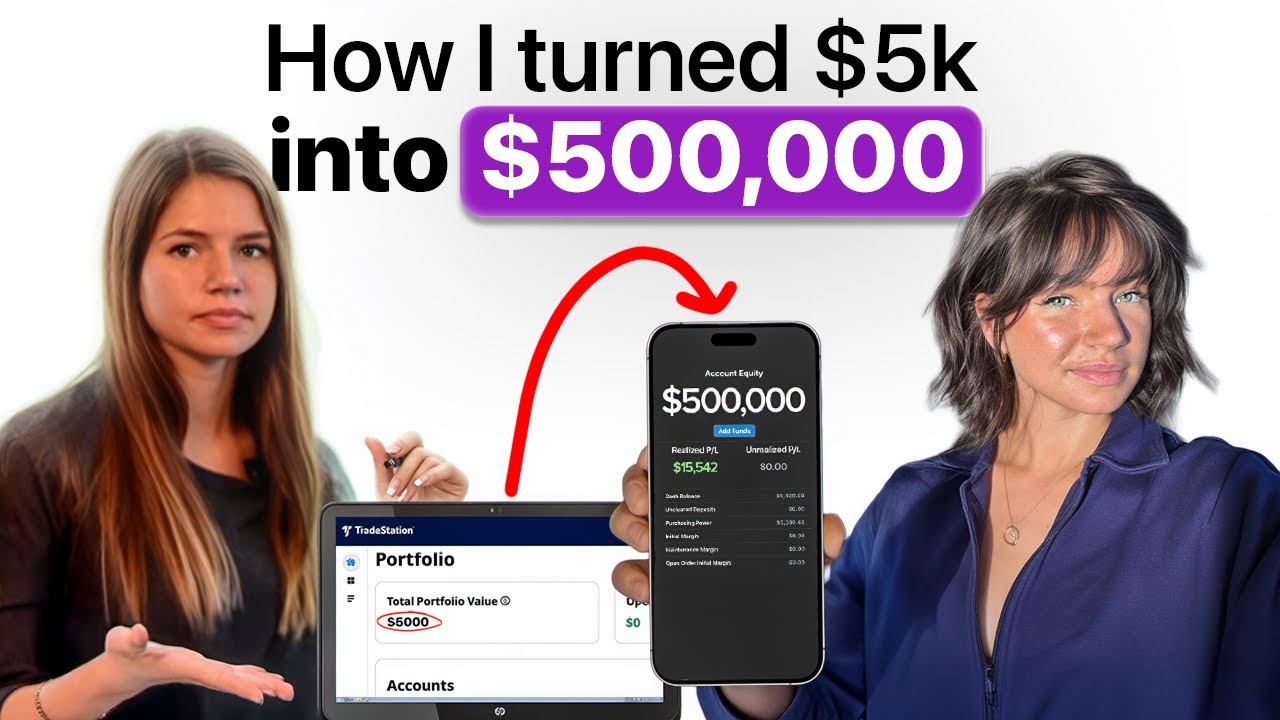
How I Turned $5,000 Into $500,000: A Realistic Trading Journey Built on Discipline and Simplicity
Turning a small trading account into a substantial one is often presented as either impossible or effortless. In reality, it is neither.
This is the true story of how a $5,000 trading account eventually grew into over $500,000 in profits—not through shortcuts, luck, or constant wins, but through years of discipline, simplicity, and psychological resilience.
This post walks through the full journey: the setbacks, the stagnation, the breakthroughs, and the systems that made long-term growth possible.
Starting Without Money, Degrees, or Advantages
I did not come from wealth.
I did not have a finance degree.
I did not excel academically.
I grew up moving between trailers in rural Florida. I attended college briefly, dropped out, and worked a series of jobs just trying to get by. Trading was not a childhood dream—it became an option only after life forced me to reset completely.
The idea that successful traders must be exceptionally intelligent or academically gifted is one of the biggest myths in this industry. Trading is a learned skill, not a credential.
The Opportunity That Changed Everything
After returning home from an unsuccessful attempt to build a life in Los Angeles, I was invited to live with my uncle, who had been trading professionally for decades.
This was not a promise of quick success. It was a structured experiment.
For an entire year:
We studied markets daily
Focused heavily on psychology
Practiced disciplined execution
Eliminated unnecessary complexity
The goal was not profits—it was process mastery.
Why Simulated Trading Came First
I did not start with real money.
For the first year, I traded exclusively in a SIM (paper trading) environment, using real market data with no financial risk. This allowed me to:
Learn execution without emotional pressure
Make mistakes safely
Build consistency before risking capital
Even then, the early phase was overwhelming. I watched too many markets, too many timeframes, and tried to trade everything. Progress stalled.
The Breakthrough: Less, Not More
The turning point came when everything was simplified.
Three changes made all the difference:
Fewer markets
Instead of tracking dozens of instruments, focus narrowed to a small, repeatable set.Fewer timeframes
Eliminating unnecessary chart hopping reduced noise and confusion.Only high-probability setups
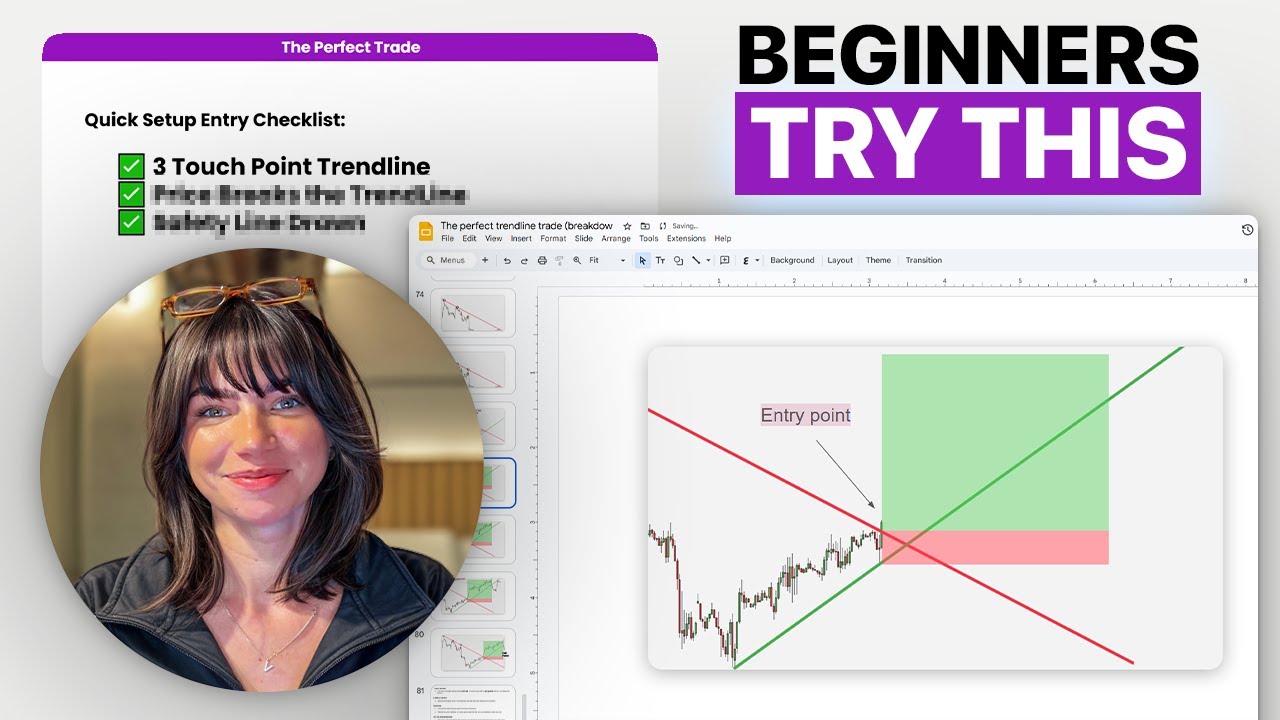
Random trades were replaced with clearly defined A+ setups.
From that moment forward, the trades I placed looked the same—year after year. Consistency replaced chaos.
Going Live With $5,000 — and Going Nowhere for Years
When I finally went live with a $5,000 account, expectations were high.
Reality was humbling.
For years, the account oscillated:
Profits → back to breakeven
Progress → erased
Momentum → lost
This is where most traders quit.
I worked full-time jobs during this period. Trading was done before work, after work, and on breaks. The psychological toll was significant, but the decision was made early: no quitting.
The Mindset Shift That Made Survival Possible
The biggest lesson during this phase came from a simple analogy my uncle shared.
Every trade must be treated as if the worst-case scenario will happen.
Just like keeping a fire extinguisher nearby while cooking—even if a fire rarely occurs—risk management must be present in every trade, without exception.
Preparation is not pessimism.
It is professionalism.
Trading Without Watching the Screen
Another major breakthrough came from letting go of constant monitoring.
Instead of staring at charts all day:
Analysis was done in advance
Alerts were set
Trades were executed only when conditions were met
This allowed trading to integrate into life—not dominate it.
Eventually, all trading was done from a phone. This is where trading shifted from a stressful pursuit into a tool for time and location freedom.
Creating a System for Paying Yourself
True progress began when the account finally broke past stagnation.
Once a stable buffer was built (around $20,000–$25,000), a rule was established:
Maintain the base balance
Withdraw anything earned above it
This system:
Reduced emotional pressure
Reinforced discipline
Prevented account regression
Trading stopped being abstract numbers and became tangible freedom.
Scaling, Not Just Withdrawing
Eventually, growth required another mindset shift.
To scale meaningfully:
Account size had to increase
Position sizing had to expand responsibly
Risk tolerance had to evolve with experience
By the end of 2022, the account crossed $100,000. From there, profits accelerated—not because of new strategies, but because of consistent execution on a proven system.
What “Successful Trading” Really Means
Success in trading is not defined by luxury or income extremes.
For some, success is:
An extra $500–$1,000 per month
Funding a creative passion
Supplementing family income
Creating flexibility
Anyone can be a successful trader if expectations are realistic and the process is respected.
Final Takeaway: Simplicity Wins
This journey proves one thing clearly:
Trading success does not come from complexity.
It comes from clarity, discipline, and repetition.
A simple system executed consistently over time will outperform any overcomplicated strategy fueled by emotion.
Put yourself in position.
Stay disciplined.
Let time do the heavy lifting.